How Long Does HVAC Certification Take? A Complete Timeline Guide
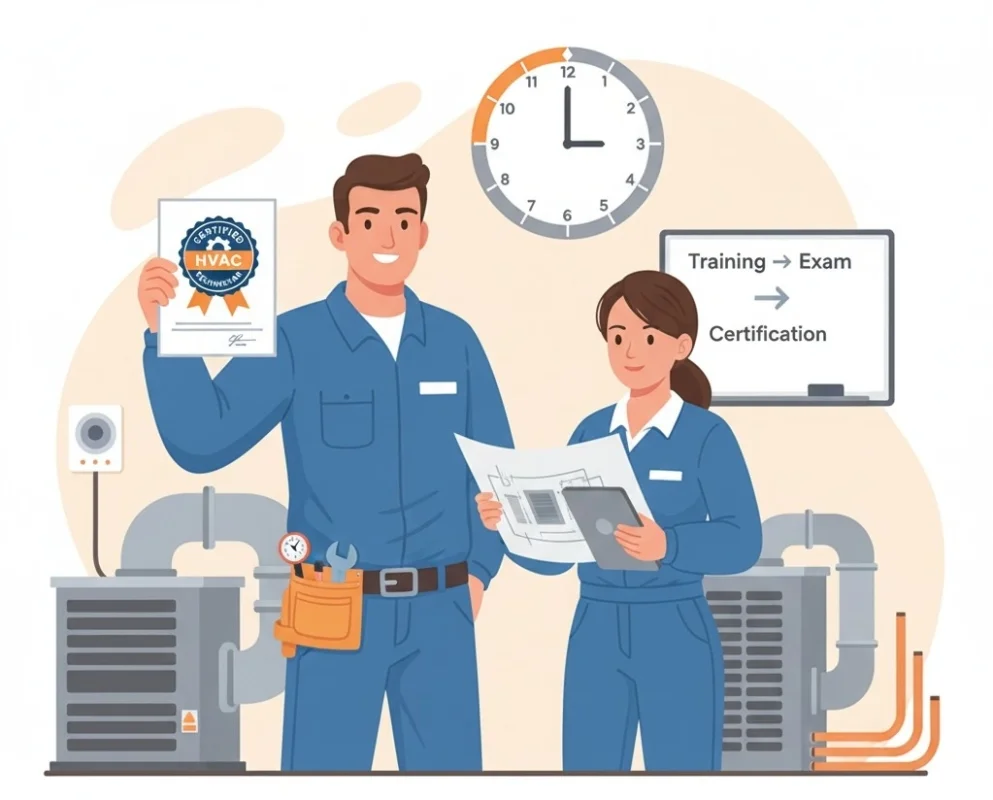
HVAC certification duration varies significantly based on the specific credential you pursue, ranging from a few days for basic EPA certifications to two years for comprehensive trade school programs. Most entry-level technicians can obtain essential certifications within 6-18 months through focused training programs, while specialized credentials may require additional time and experience.
The heating, ventilation, and air conditioning industry offers multiple pathways to certification, each with distinct timeframes and requirements. Understanding these options helps you map out your career trajectory and set realistic expectations for entering this high-demand field.
Whether you're considering a career change or starting fresh in the trades, the time investment for HVAC credentials represents a strategic decision that impacts your earning potential and job opportunities. According to the Bureau of Labor Statistics, employment of HVAC technicians is projected to grow 13% from 2018 to 2028, much faster than average for all occupations.
What Are the Essential HVAC Certifications Every Technician Needs?
The foundation of any HVAC career rests on several core certifications that employers universally expect. These credentials demonstrate your competency in safety protocols, environmental regulations, and technical skills.
EPA 608 Certification
The Environmental Protection Agency's Section 608 certification stands as the most fundamental requirement for anyone working with refrigerants. This certification ensures technicians understand proper handling, recovery, and disposal of refrigerants to protect the ozone layer.
The EPA requires this certification for any technician who maintains, services, repairs, or disposes of equipment containing refrigerants. The certification process typically takes 1-3 days of study followed by a proctored exam.
Four types of EPA 608 certification exist:
- Type I: Small appliances (window units, dehumidifiers)
- Type II: High-pressure appliances (commercial refrigeration)
- Type III: Low-pressure appliances (centrifugal chillers)
- Universal: Covers all three types
OSHA 10 Safety Certification
The Occupational Safety and Health Administration's 10-hour construction safety course provides essential workplace safety knowledge. This certification typically requires 10 hours of training and can be completed in 1-2 days through online or in-person classes.
State Licensing Requirements
Most states require HVAC technicians to obtain a contractor's license for certain types of work. These requirements vary significantly by location but generally involve:
- Completing approved training hours
- Passing state-specific examinations
- Demonstrating work experience
- Maintaining continuing education credits
How Long Do Different Types of HVAC Training Programs Take?
The pathway you choose dramatically affects your timeline to certification. Each option offers distinct advantages depending on your current situation, learning preferences, and career goals.
Trade School Programs
Technical colleges and trade schools offer the most comprehensive HVAC education. These programs typically range from 6 months to 2 years, depending on whether you pursue a certificate or associate degree.
| Program Type | Duration | Typical Cost Range | Key Benefits |
|---|---|---|---|
| Certificate Program | 6-12 months | $3,000-$15,000 | Focused curriculum, faster entry |
| Associate Degree | 18-24 months | $6,000-$25,000 | Comprehensive education, advancement opportunities |
Trade school programs provide hands-on experience with actual equipment, classroom instruction on theory and codes, and often include preparation for multiple certifications. Many programs also offer job placement assistance and industry connections.
HVAC Apprenticeship Programs
Apprenticeships combine paid work experience with classroom instruction, typically lasting 3-5 years. These programs offer the most thorough preparation but require the longest time commitment.
The U.S. Department of Labor's apprenticeship database lists numerous HVAC programs across the country. Apprentices typically spend 80% of their time working alongside experienced technicians and 20% in classroom instruction.
Online Certification Programs
Online programs offer flexibility for working professionals or those with scheduling constraints. These programs typically take 3-12 months to complete, depending on your pace and the program's comprehensiveness.
While online programs excel at covering theoretical knowledge and code requirements, they often require separate hands-on training components to meet certification requirements.
Which Specialized HVAC Certifications Offer the Best Career Advancement?
Beyond basic certifications, specialized credentials can significantly boost your earning potential and job opportunities. These advanced certifications typically require existing experience and additional training time.
NATE Certification
North American Technician Excellence (NATE) represents the gold standard for HVAC technician certification. NATE certification requires passing core and specialty exams that test real-world knowledge and skills.
Preparing for NATE certification typically takes 2-6 months of focused study, depending on your experience level. The certification covers areas such as:
- Air conditioning and heat pumps
- Gas furnaces and boilers
- Oil furnaces and boilers
- Hydronics and steam systems
Manufacturer-Specific Certifications
Major equipment manufacturers like Carrier, Trane, and Lennox offer specialized training programs for their products. These certifications typically require 1-5 days of intensive training and provide valuable expertise in specific equipment lines.
Building Performance Institute (BPI) Certification
BPI certification focuses on whole-house energy efficiency and building science. This certification typically requires 40 hours of training plus a comprehensive exam, taking most technicians 1-2 weeks to complete.
What Factors Affect How Quickly You Can Get HVAC Certified?
Several variables influence your certification timeline, from your current skill level to the specific credentials you pursue. Understanding these factors helps you plan and set realistic expectations.
Prior Experience and Education
Technicians with mechanical or electrical backgrounds often complete certification programs faster than complete beginners. Previous experience with tools, electrical systems, or mechanical equipment provides a foundation that accelerates learning.
Study Schedule and Commitment
Full-time students typically complete programs faster than part-time learners. However, working professionals can extend their timeline to accommodate their schedules without compromising learning quality.
Geographic Location
State requirements vary significantly, affecting both training duration and certification processes. Some states have reciprocity agreements that can expedite licensing for technicians moving between locations.
Certification Goals
Your target position influences which certifications you need and how quickly you can obtain them. Entry-level service technicians need fewer credentials than installation specialists or system designers.
| Career Level | Typical Timeline | Required Certifications | Additional Requirements |
|---|---|---|---|
| Entry-Level Technician | 3-12 months | EPA 608, OSHA 10 | Basic tool knowledge |
| Experienced Technician | 1-3 years | NATE, State License | 2+ years experience |
| Specialized Technician | 3-5 years | Multiple specialties | Advanced training, continuing education |
Where Should You Get Your HVAC Certification for Maximum Career Impact?
The institution you choose for HVAC training significantly impacts your career trajectory, networking opportunities, and employer recognition. Different options serve different needs and career goals.
Community Colleges and Technical Schools
Accredited institutions offer the most comprehensive education and widely recognized credentials. ASHRAE-affiliated programs provide particularly strong industry recognition and networking opportunities.
These institutions typically offer:
- Financial aid opportunities
- Industry partnerships for job placement
- Access to modern equipment and labs
- Experienced instructor networks
Union Training Programs
Labor unions like the United Association of Plumbers and Pipefitters offer excellent apprenticeship programs with strong job security and advancement opportunities. These programs typically take longer but provide comprehensive training and guaranteed employment pathways.
Private Training Schools
Specialized HVAC schools often offer accelerated programs with flexible scheduling. While typically more expensive than community colleges, they may provide faster completion times and industry-specific focus.
The heating and cooling industry rewards properly certified technicians with excellent compensation packages. For detailed salary information across different regions and experience levels, explore our comprehensive HVAC salary guide to understand your earning potential.
Ready to start your HVAC career path? Browse current HVAC job opportunities in your area and connect with other professionals in our HVAC community for advice and networking.
Fast-Track Your HVAC Certification Journey
The path to HVAC certification doesn't follow a one-size-fits-all timeline. Your career might take anywhere from a few weeks for basic EPA certification to several years for comprehensive specialization. The key lies in choosing the right combination of credentials that align with your career goals and timeline constraints.
Most successful HVAC technicians start with essential certifications like EPA 608 and OSHA 10, then build specialized skills through manufacturer training and advanced credentials like NATE certification. This progressive approach allows you to start earning while continuing your education.
The investment in proper certification pays dividends throughout your career. Bureau of Labor Statistics data shows that certified HVAC technicians earn significantly more than their uncertified counterparts, with median wages varying by region and specialization level.
Remember that certification represents just the beginning of your HVAC career. The industry's rapid technological evolution requires ongoing education and skill development. The most successful technicians view certification not as a destination but as the foundation for lifelong learning in this dynamic field.
Whether you choose a fast-track certification program or a comprehensive apprenticeship, the time you invest in proper training and certification will determine your success in the heating and cooling